2. Consistency and accuracy: These machines are equipped with precise dosing mechanisms that ensure accurate filling of capsules. This helps in maintaining consistency in the dosage of the filled capsules.
3. Reduced labor costs: By automating the capsule filling process, semi-automatic machines require less manual labor compared to manual filling methods. This helps in reducing labor costs and increasing overall cost-effectiveness.
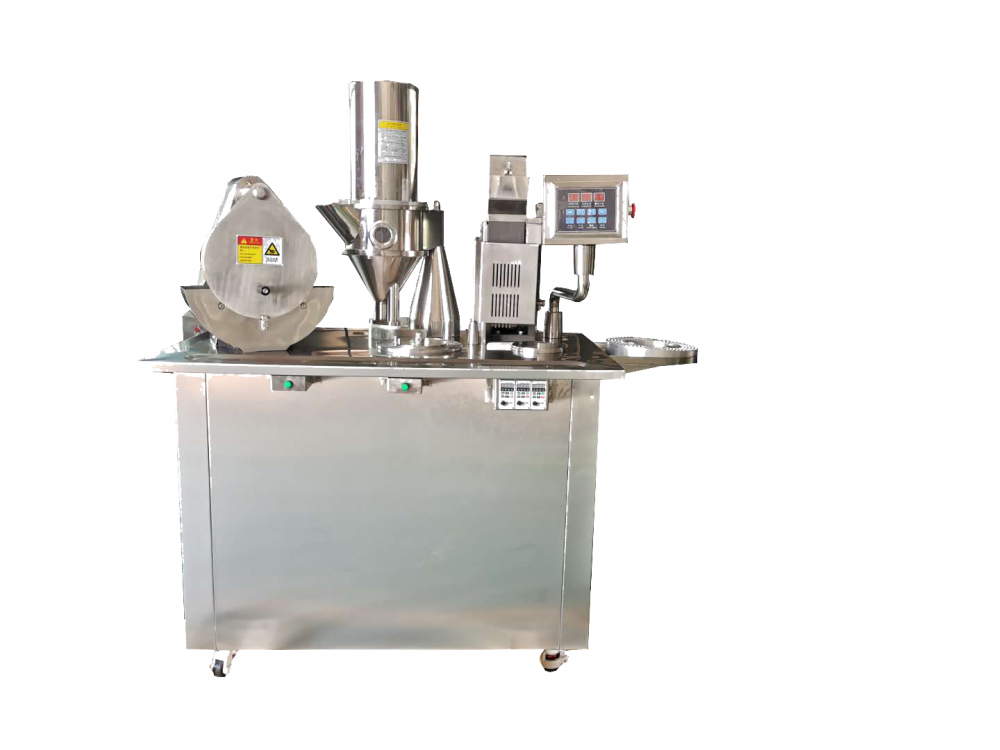
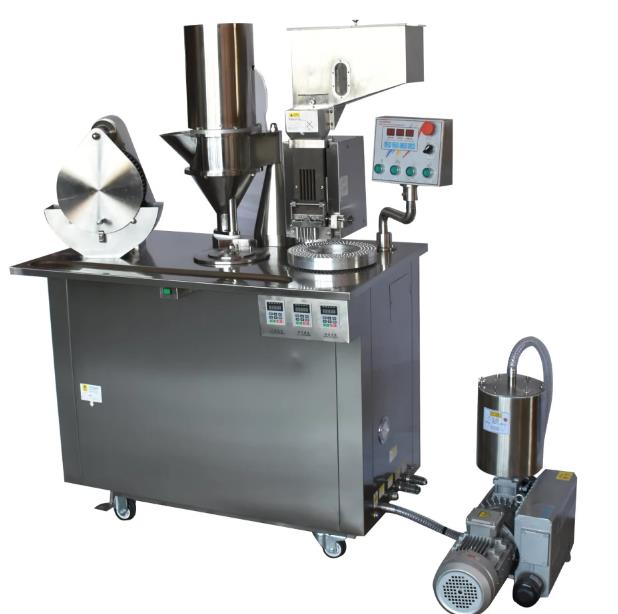
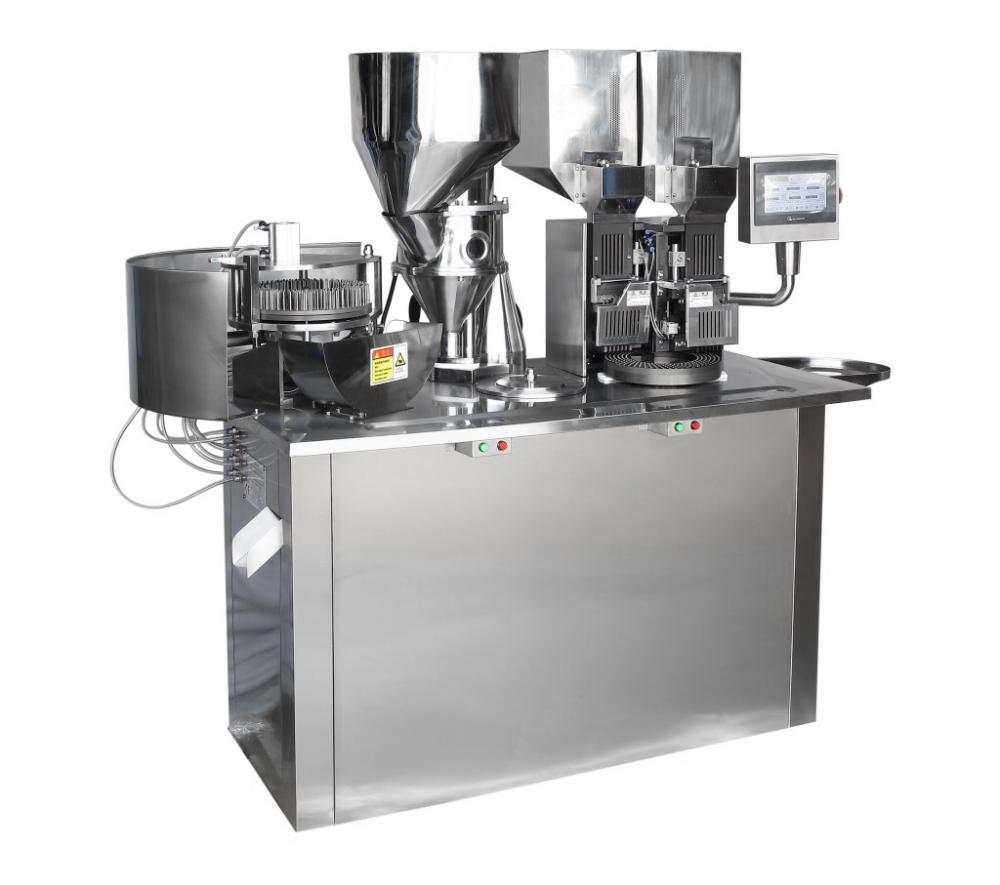
4. Improved hygiene and cleanliness: These machines are designed to meet high hygiene standards, with features such as stainless steel construction and easy-to-clean surfaces. This helps in maintaining cleanliness and preventing contamination of the filled capsules.
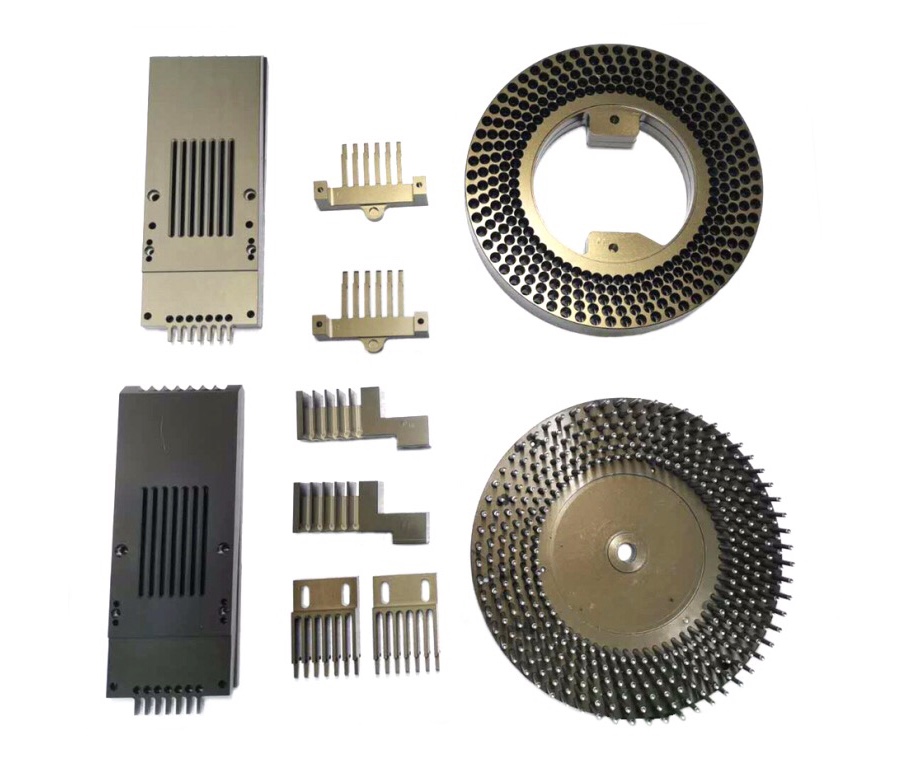
5. Versatility: Semi-automatic capsule filling machines are capable of filling different capsule sizes and types, allowing for versatility in production. This makes them suitable for a wide range of pharmaceutical and nutraceutical applications.
6. Easy operation and maintenance: These machines are user-friendly and require minimal training to operate. Additionally, they are designed for easy maintenance, reducing downtime and ensuring smooth production.
7. Enhanced safety features: Semi-automatic capsule filling machines are equipped with safety features such as interlocks and sensors to prevent accidents and ensure operator safety.
8. Cost-effective: While fully automatic capsule filling machines may be more expensive, semi-automatic machines offer a cost-effective solution for small to medium-scale production requirements.
9. Compact design: Semi-automatic capsule filling machines are often designed with a compact footprint, making them suitable for limited production spaces.
10. Customization options: Some semi-automatic capsule filling machines offer customization options, allowing for specific requirements such as special capsule shapes or additional features to be accommodated.